

Bottling Equipment RFQ Checklist: Comparing Supplier Proposals
How to write a bottling equipment RFQ so suppliers quote the same inputs, scope and performance basis, with a matrix for FAT, SAT, spares and warranty.
Read the guideComparable proposals start with a comparable request. This section helps you write a bottling-equipment request for quotation and compare what suppliers send back. It also points to the container and line checklists that feed into it.

How to write a bottling equipment RFQ so suppliers quote the same inputs, scope and performance basis, with a matrix for FAT, SAT, spares and warranty.
Read the guideHow do you ask for quotes you can compare side by side?
How to write a bottling equipment RFQ so suppliers quote the same inputs, scope and performance basis, with a matrix for FAT, SAT, spares and warranty.
Read the guide
A checklist of what to state in a glass bottle enquiry: drawing dimensions, capacity and fill point, finish, color, strength, decoration, quality and packing.
Read the guide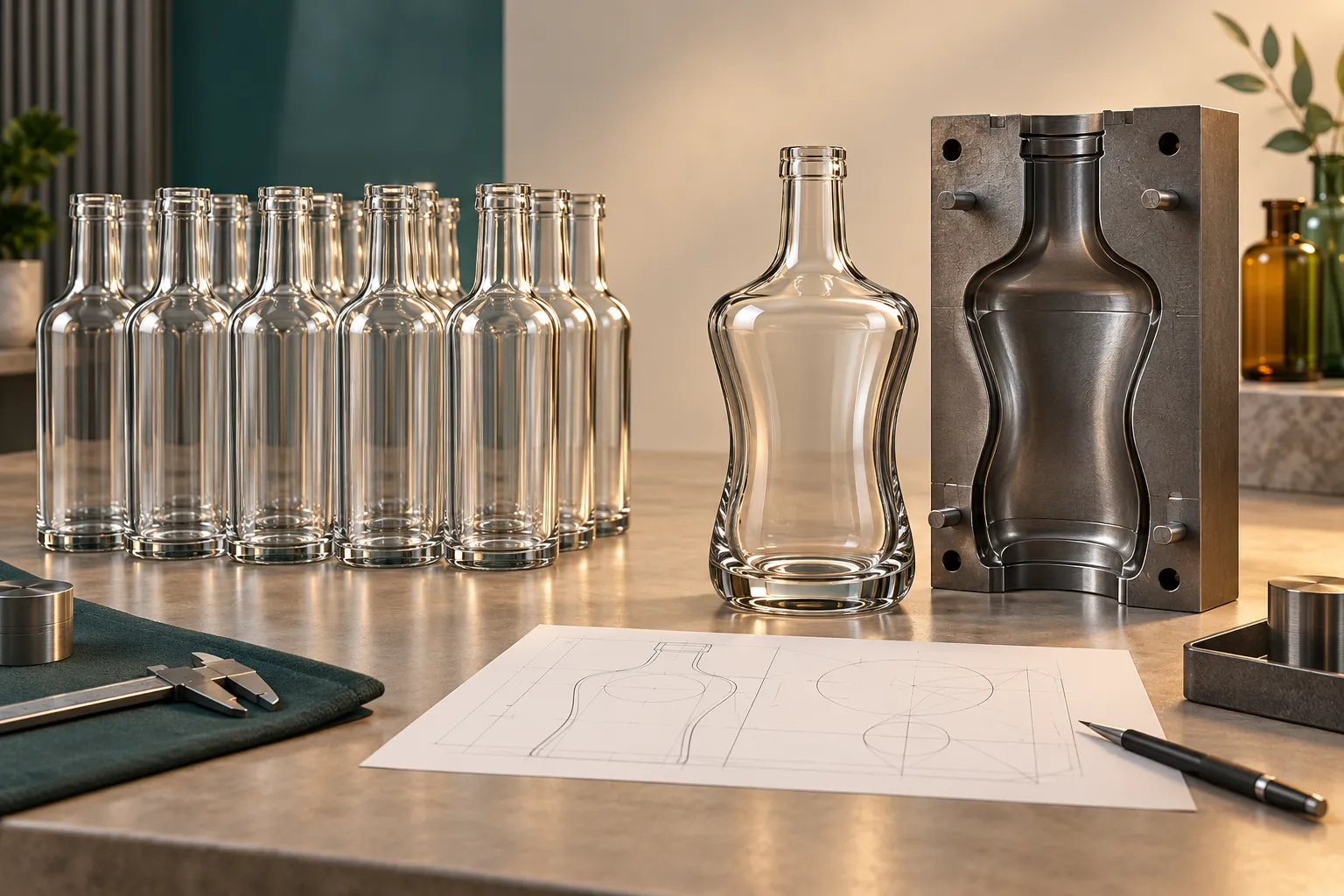
Compare stock and custom glass bottles on tooling ownership, minimum quantities, sampling, documentation, line trials and supply continuity before you order.
Read the guide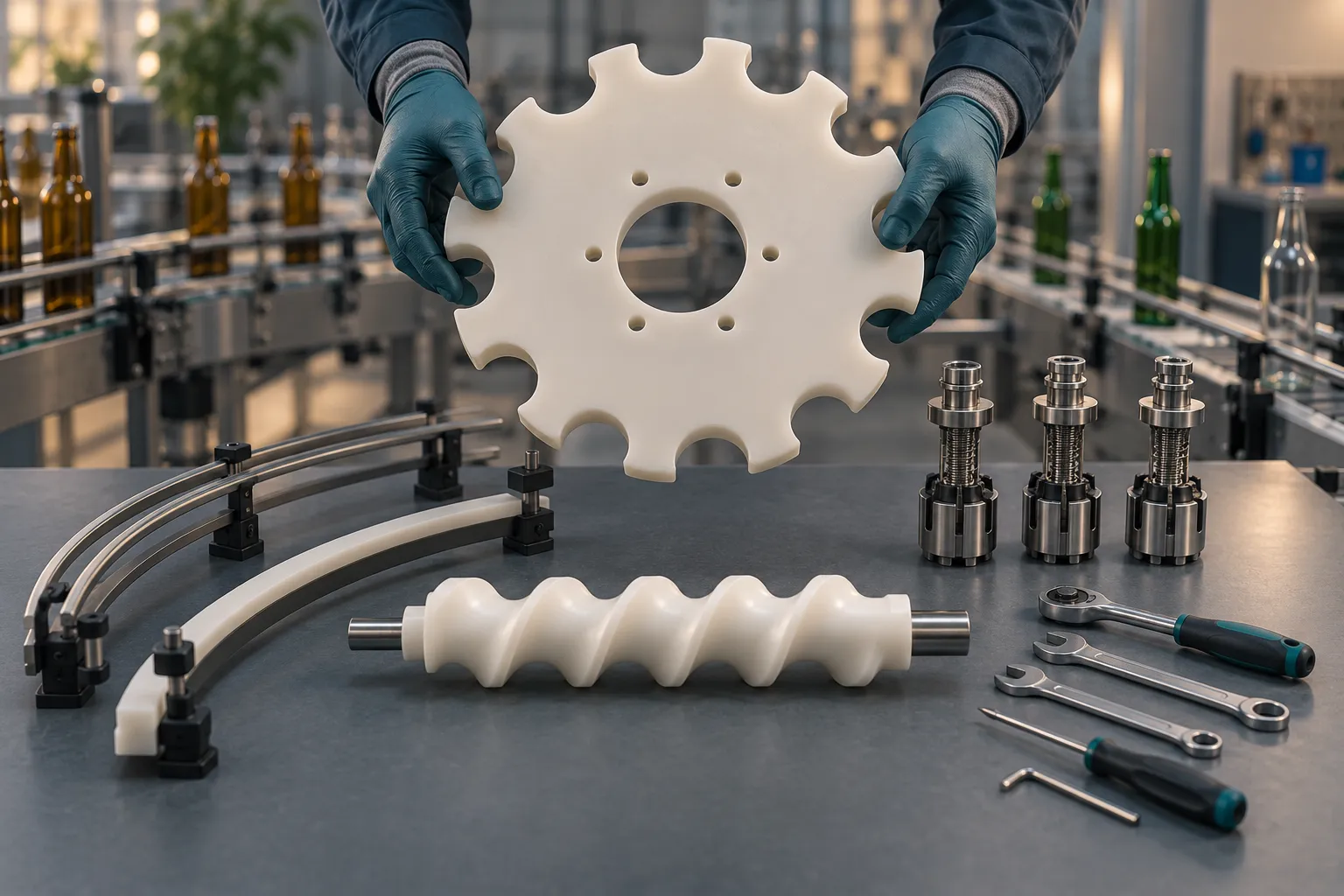
Which change parts a new glass bottle touches, which bottle data to check, and how to run and document a trial before the bottle goes into production.
Read the guide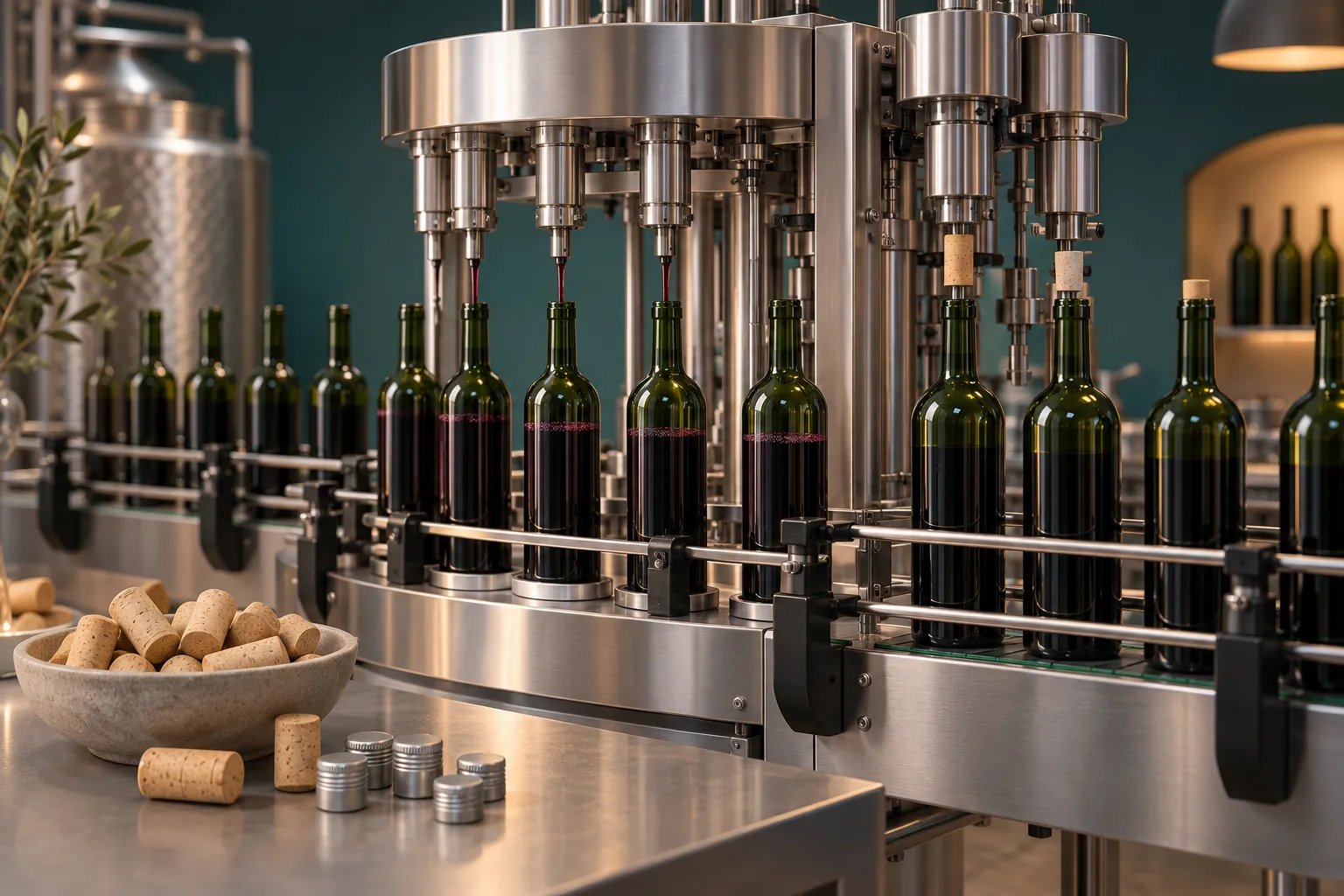
How a winery can turn wine style, oxygen targets, bottle, closure, capsule and label choices into a brief that equipment suppliers or mobile bottlers can quote.
Read the guidePrepare the input pack · Choose a checklist
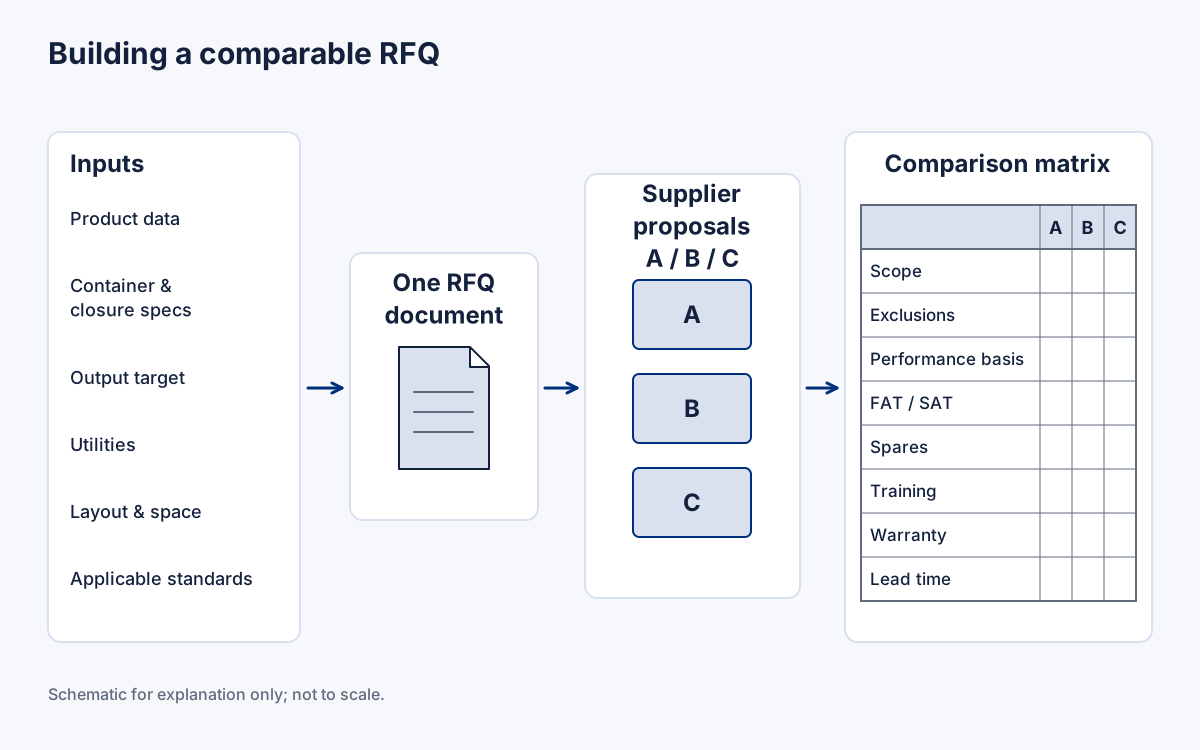
Proposals for a bottling line are rarely comparable as received. The RFQ checklist gives the cause: one quote may include controls, trials and spare parts, another may list only the machine, and a third may define output on a different bottle or product. The fix is to send every supplier the same inputs, the same scope boundaries and the same performance basis, and to ask for answers in a fixed format. Most of that material already exists in the guides on this site. The work is collecting it into one pack before the first email goes out.
Build the pack from the input groups the RFQ checklist names, and note where each one comes from.
Swipe or scroll horizontally to see all columns.
| Document | What it contains | Where to read how to prepare it |
|---|---|---|
| Container specification | Drawing with revision, finish designation, brimful capacity, fill point, weight, color, tolerances, label panel | Glass bottle specification checklist |
| Closure data | Closure type and size, liner, feeding method, torque or vacuum requirement | Neck finishes and closure compatibility and capping equipment |
| Product data | Type, viscosity or carbonation, temperature at the filler, particulates, shelf-life | Glass bottle filling machines |
| Line layout and site | Floor plan, ceiling height, utilities, drainage, sanitation rules, existing upstream and downstream equipment | Planning a glass bottling line |
| Output basis | Speed needed at launch and in ongoing production, operating schedule, what counts as output | RFQ checklist, performance basis section |
| Formats | Current bottles and planned additions | Bottling-line changeovers |
The RFQ checklist also asks you to number each requirement, separate mandatory from preferred items, avoid subjective wording, and share question-and-answer exchanges with all bidders so everyone prices against the same document.
The site has several checklists, each built for a different decision. Choose by the question in front of you.
Swipe or scroll horizontally to see all columns.
| Your situation | Use this | What it gives you |
|---|---|---|
| You need bottles and must describe them to glassmakers | Glass bottle specification checklist | Drawing-based list of dimensions, capacity, finish, color, strength, packing and quality terms |
| You have not decided between a catalog design and a new one | Stock vs. custom glass bottles | Six comparison points: tooling ownership, minimum quantities, sampling, documentation, line trials, supply continuity |
| A new bottle will join a line that already runs | Bottling-line changeovers | Change parts by station, bottle data to check, trial and record plan |
| You are briefing a wine line or a mobile bottler | Wine bottling equipment | Brief sections for wine and pressure, oxygen, closure, capsule, label and sanitation |
| You are buying beer or sauce lines | Beer bottling equipment or sauce and dressing bottling lines | Product-specific questions to add to the brief |
| You are considering pre-owned or surplus machinery | Used bottling equipment checklist | Inspection checks for wear, controls obsolescence, change parts availability, and recommissioning costs |
| You need to check a glass seller | Glass supplier evaluation | Source, sample identity and delivered-scope checks |
| You need to plan empty-glass transport | Pallets per truck planning | Pallet geometry, weight limits and loading records |
| You have the inputs and need comparable quotes | Bottling equipment RFQ checklist | Scope, performance basis, acceptance, commercial terms and a comparison matrix |
The order usually runs from the container outward: specify the bottle, settle stock or custom, confirm the closure and finish, then describe the line and its formats, and only then ask for equipment proposals. The glass containers section and the bottling lines section hold the supporting guides.
Normalize scope before you look at price. The RFQ checklist cites a manufacturing-quote guide from SupplyForge that recommends classifying every requirement as compliant, clarified compliant, deviation, exclusion or not stated, and treating “not stated” as an uncertainty rather than an assumption in your favor. Use those categories in one matrix across all suppliers, and add rows from the application guides. If inspection is in scope, add rows from bottle inspection systems so each check is defined.
Compare the performance basis next. According to a packaging-labelling.com buyer’s guide cited in the checklist, a rated throughput figure is typically measured under ideal conditions, and real output is lower once changeovers, variability and maintenance count. Ask which bottle, closure, label and product a figure refers to, whether it is nominal, peak or sustained, which stoppages are counted, and what acceptance run would prove it. The same applies to the whole line, so ask how accumulation, rejects and downstream machines affect the overall figure.
When two quotes differ, the difference usually sits in one of these places.
Each of these maps to a row in the RFQ matrix, which is why a blank or “not stated” cell deserves a written question instead of a guess. The RFQ checklist is editorial guidance, not contract advice; review commercial terms with qualified advisers. Return to the buying resources section for the full set of pointers, and see the applications section when the product changes what you must ask.
For a bottle-led personal-care project, use the glass refill-bottle and 24/410 pump review to separate package fit, dispensing dose and refill evidence before choosing components.
When a supplier announcement enters your equipment review, use the RoboSELEX glass-bottle handling interpretation to keep grouping scope, source claims and the packing interface separate.
When the shortlist is already Accutek and E-PAK, use the published bottling-equipment scope comparison to line up stated categories and leave unstated glass-finish cells blank.